Mobile-First Design: Why It Matters More Than Ever
Learn why mobile-first design is crucial for modern websites and how to implement it effectively.
Eric Sangcap
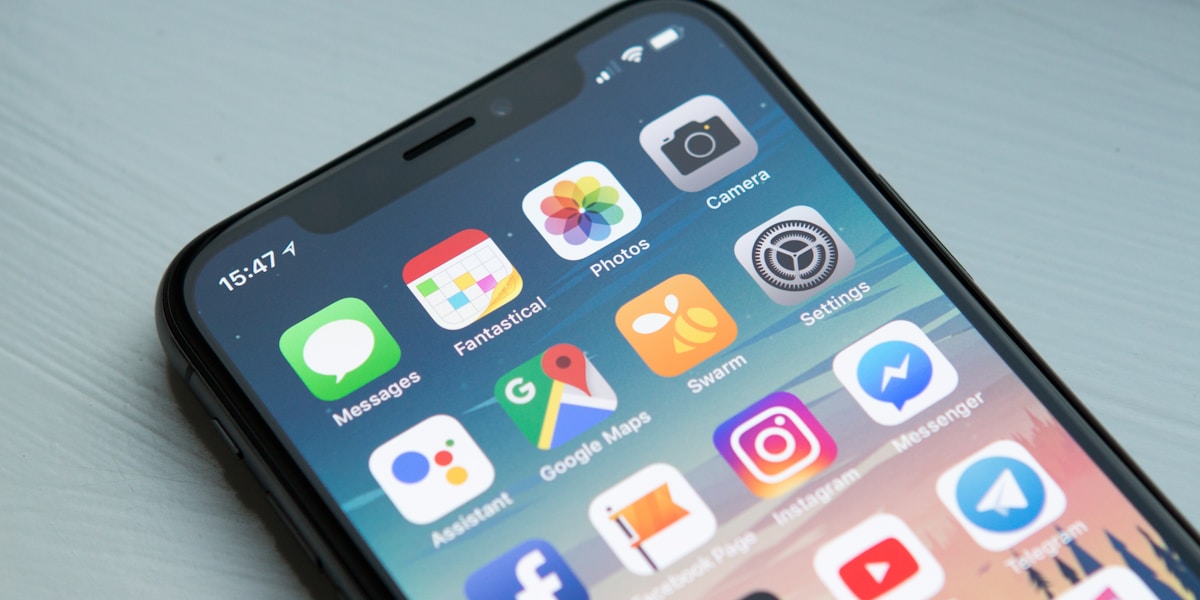
The Mobile-First Philosophy
Mobile-first design starts with designing for the smallest screen and then scaling up. This constraint-focused approach forces designers to prioritize content and functionality, resulting in cleaner, more focused designs.
Key Points:
- Content prioritization and hierarchy
- Performance optimization from the start
- Touch-friendly interface design
- Simplified navigation patterns
Key Design Principles
Successful mobile-first design relies on several core principles that ensure optimal user experience across all devices.
Key Points:
- Progressive enhancement over graceful degradation
- Thumb-friendly touch targets (minimum 44px)
- Readable typography without zooming
- Fast loading times and optimized images
Implementation Best Practices
Implementing mobile-first design requires careful planning and attention to technical details. Here are the key practices that ensure success.
Key Points:
- Start with mobile wireframes and prototypes
- Use flexible grid systems and breakpoints
- Optimize images for different screen densities
- Test on real devices, not just simulators
Common Pitfalls to Avoid
Many teams fall into common traps when implementing mobile-first design. Awareness of these pitfalls can save time and improve results.
Key Points:
- Assuming mobile users want less content
- Ignoring touch gesture patterns
- Not considering context of mobile usage
- Overlooking performance implications
Conclusion
Mobile-first design is essential for creating modern, user-friendly websites. By starting with mobile constraints and progressively enhancing for larger screens, we create better experiences for all users. At ES Web Solutions, we ensure every website we build is optimized for mobile from day one.
Related Articles
Continue your learning journey